Which hospitals use Aquatron® STPs?
Published examples include Apollo Hospitals (320 KLD), Shantilal Sanghavi Cancer Hospital (380 KLD) and Wadala Eye Hospital (160 KLD).
Hospitals generate sewage around the clock and cannot afford a plant that breaks down or smells near patients. Reliability and simple operation matter more than anything.
The short answer
Aquatron is installed at Apollo Hospitals (320 KLD), Shantilal Sanghavi Cancer Hospital (380 KLD) and Wadala Eye Hospital (160 KLD). The separation stage has no moving parts. Figures are indicative comparisons against a conventional STP of the same capacity, not a quotation or guaranteed result. Final design, cost and performance depend on a site assessment.
Published examples include Apollo Hospitals (320 KLD), Shantilal Sanghavi Cancer Hospital (380 KLD) and Wadala Eye Hospital (160 KLD).
No. Aquatron treats domestic sewage. Biomedical waste, laboratory effluent and other special streams must be managed under their own rules and assessed separately. See the wastewater suitability guide.
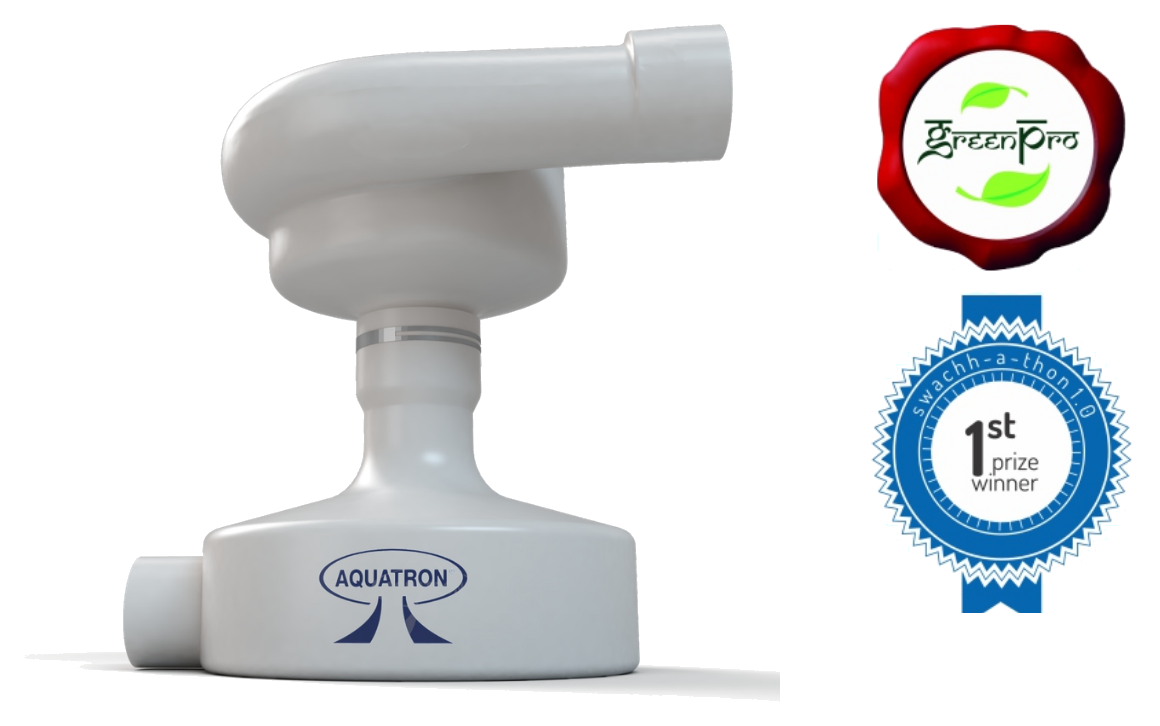
The separator works on flush momentum, centrifugal force and gravity, without moving parts. The complete plant must still be sized for peak and continuous flow by the designer.
The references page describes zero sludge handling, roughly 65% less electricity drawn and no dedicated operator required at that capacity. Results are project-specific.
Ask for written treatment targets, monitoring arrangements, response times for abnormal operation, and how the STP fits with your separate biomedical waste systems.
Based on the product process, specifications, service scope and indicative comparisons already published by India Water Systems. Product claims and example results are not independent certification or a substitute for a site assessment.
Share your location, expected flow, requirements and phone number. Head office in Hyderabad; projects served across India.
Request a site assessment