What wastewater application does the published process describe?
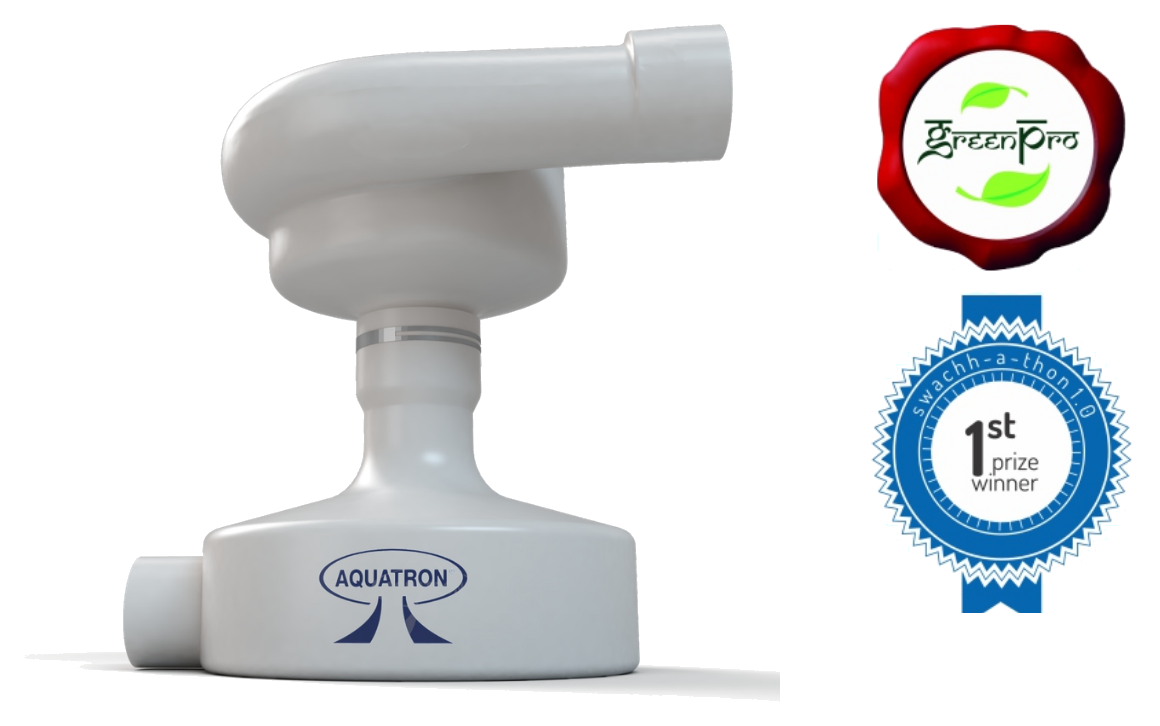
The published process describes separating faecal solids from toilet flushing water and urine, collecting solids in a bio-chamber, and sending separated liquids with greywater for downstream treatment. This supports assessing a domestic-sewage application, not accepting every incoming waste stream. Ask the designer to confirm your actual sources, flow, composition and treatment target, then specify the complete treatment train rather than purchasing a separator alone.
Can I buy the system for a greywater-only installation?
Do not infer greywater-only suitability from the combined-stream process description. The published product details do not establish a dedicated greywater-only configuration or its acceptance criteria. Provide the sources, such as bathing, washing or kitchen water, together with flow patterns and available analyses. Ask the designer whether this application is suitable, what equipment is needed and whether a toilet-solids separator has any role in the proposed design.
Does a factory reference mean industrial process effluent is covered?
No. Factory sanitary sewage and industrial process effluent are different design inputs. A reference at an industrial premises does not establish what streams were treated there or demonstrate acceptance of your process wastewater. Keep the streams identified separately and provide information about production activities and wastewater composition. The designer must assess eligibility, segregation and any separate treatment requirements before process effluent is included in a proposal.
What should be checked for kitchens, laundries or unusual discharges?
List these sources explicitly rather than hiding them within a daily sewage total. Share available information on cleaning products, oils, grease, solids, intermittent discharges and other characteristics relevant to your activities. Ask the designer which sampling and analyses are needed and whether segregation or pretreatment is appropriate. The site supplies no universal influent acceptance limits, so eligibility and treatment scope require a wastewater-specific assessment.
Can separated liquid go directly to gardening or flushing?
Do not treat separation as complete treatment. Although the brochure uses direct-gardening-reuse wording, the technology and selection pages describe downstream liquid treatment followed by filtration and UV disinfection. Base purchasing decisions on a complete, assessed treatment arrangement and tested output quality. Define gardening, flushing or other reuse separately, confirm the applicable requirements and do not assume that clear-looking separated liquid is suitable for use.
What do the published laboratory results prove about suitability?
The Technology page reports measurements from a particular 50 KLD retrofit, including BOD falling from 77 to 7.3 mg/l between combined inlet and final treated water. These are project-specific observations, not influent acceptance limits, legal standards or a guarantee for your wastewater. Request the underlying report and relevant operating context, then have the designer define site-specific treatment targets and an appropriate commissioning test plan.
What should a wastewater-suitability proposal state before purchase?
Require a written list of accepted and excluded streams, the assessed influent basis, treatment stages, any pretreatment and the intended discharge or reuse. Ask what happens if incoming wastewater changes, who arranges testing and who reviews unsatisfactory results. Include operating and maintenance duties for the complete plant. Technical eligibility remains subject to designer and site assessment; a sector reference or low-maintenance claim cannot replace that review.