What is the difference between discharge and reuse?
Discharge concerns where treated water is released; reuse concerns the purpose for which it will be used again. The site describes treated-water uses including gardening, flushing and chiller make-up. Identify your intended discharge destination and any reuse separately in the design brief. Do not assume that meeting a target for one purpose establishes suitability for another.
Where should we confirm the discharge conditions for our site?
Ask the relevant state pollution control authority for the applicable current site-specific consent conditions, explaining the site, wastewater stream and intended discharge or reuse. Give the confirmed requirements to the designer and request written treatment targets. This site is not a source for verifying current law, and its project comparisons should not be treated as a statement of the conditions applying to your installation.
Can separated water be discharged or reused directly?
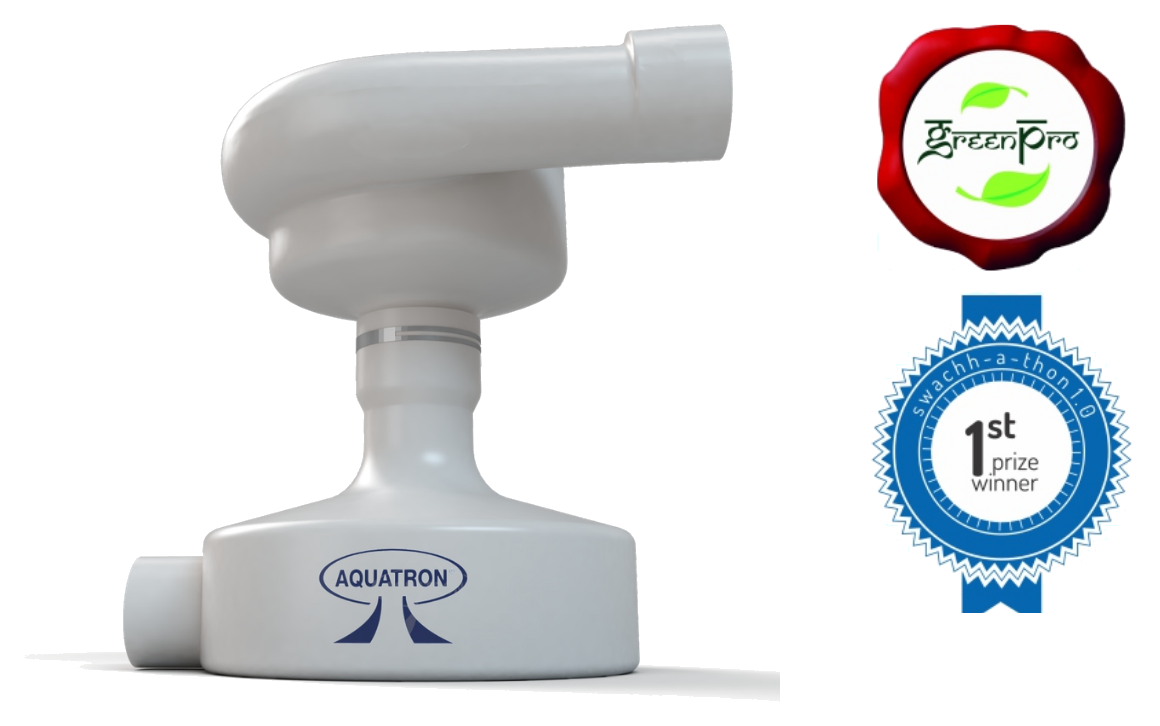
Do not treat solid-liquid separation as complete treatment or as evidence that water is suitable for discharge or reuse. The described Aquatron process sends separated liquids and grey water through downstream treatment, followed by sand and carbon filtration and UV disinfection. Suitability depends on the required quality and actual tested performance of the complete system. The supplied evidence does not establish drinking-water suitability.
Which design targets and testing parameters should be written into the proposal?
Request a written design basis covering incoming flow and wastewater characteristics, the intended discharge or reuse, and the treatment targets confirmed for your site. The Technology page reports BOD (3 days), COD, TSS, ammoniacal nitrogen, oil and grease, coliforms and E. coli. Use these as discussion points, not an exhaustive or universally required testing list. Have the designer identify the applicable parameters and agree how performance will be tested against them.
Do the published WeWork lab results establish legal discharge limits?
No. The Technology page reports results from the 50 KLD WeWork BlueOne Square retrofit in Gurgaon, including BOD falling from 77 to 7.3 mg/l and TSS from 97 to 5.2 mg/l between the combined inlet and final treated water. These are project-specific measurements, not legal limits, universal compliance evidence or guaranteed results for another plant. The page's compliance comparisons do not establish your current site-specific consent conditions.
Does a domestic-sewage STP also cover industrial effluent?
Not automatically. The described Aquatron process separates toilet solids from flushing water and urine, with separated liquids joining grey water for further treatment. An industrial premises may also generate process effluent with different characteristics. Identify those streams separately and request an assessment of the actual incoming wastewater rather than assuming that a domestic-sewage design covers them.
What operating records and support should we arrange?
Keep the written design targets, water-quality test reports, routine inspection records, servicing history and records of abnormal operation. Agree who is responsible for bio-chamber, treatment, filter and UV checks, performance monitoring and follow-up when results do not meet the agreed targets. India Water Systems offers O&M support with project-specific scope. For an enquiry, provide your site location, capacity, discharge or reuse needs, available reports, contact name and phone number.