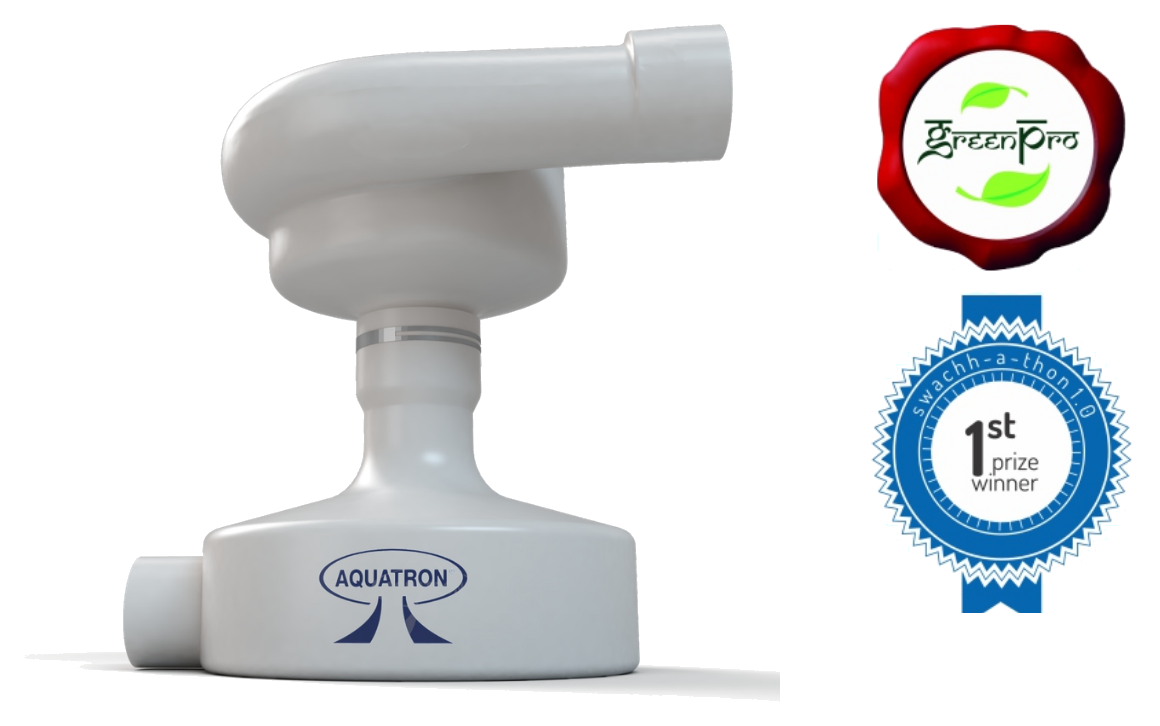
Is Aquatron® a genuinely no-maintenance STP?
No plant is genuinely maintenance-free. Aquatron separates solids before liquid treatment, reducing sludge-handling equipment and operational complexity. That makes it a low maintenance STP, but routine bio-chamber, filter and UV checks remain necessary.
Which parts of the system need routine attention?
The separator and the complete treatment plant are different. The separator works on flush momentum, centrifugal force and gravity. The complete installation also includes a bio-chamber, liquid-treatment stages, filtration and UV. Ask for a written, equipment-specific inspection and servicing plan covering all of these stages.
How often does the bio-chamber need emptying?
The product process description says natural bacteria convert up to 95% of the solids into water vapour and carbon dioxide, leaving a small residual compost volume. It says the bio-chamber rarely needs emptying, not that it never does. No universal emptying interval is published here: follow the supplied operating instructions and the actual condition of your installation.
Do we need a dedicated STP operator?
The published Aquatron product details state that no dedicated operator is needed up to 500 KLD. This does not remove routine attention or responsibility for performance. For larger plants, India Water Systems offers operator support; confirm staffing and monitoring requirements in your project proposal.
What should an STP maintenance contract include?
Ask the supplier to identify preventive maintenance, servicing, monitoring, breakdown support, consumables, spare parts and water-quality testing. Get inclusions, exclusions and response arrangements in writing. India Water Systems offers O&M support, but the scope should be agreed for your specific site.
How much does annual STP maintenance cost?
The site’s indicative 75 KLD villa-project comparison lists annual AMC of ₹3.2 lakh for Aquatron against ₹15 lakh for a conventional plant. This is a comparison example, not a quotation for every building or the total of every running expense. Capacity, equipment, reuse requirements and service scope affect your actual costs.