How do I select the right STP capacity?
Start with expected daily sewage flow, occupancy and use patterns, peak variation and future demand. Have the designer confirm the basis rather than choosing capacity from a generic rule. India Water Systems offers site-specific Aquatron solutions from 1 KLD up to several MLD.
Is Aquatron® suitable for every wastewater stream?
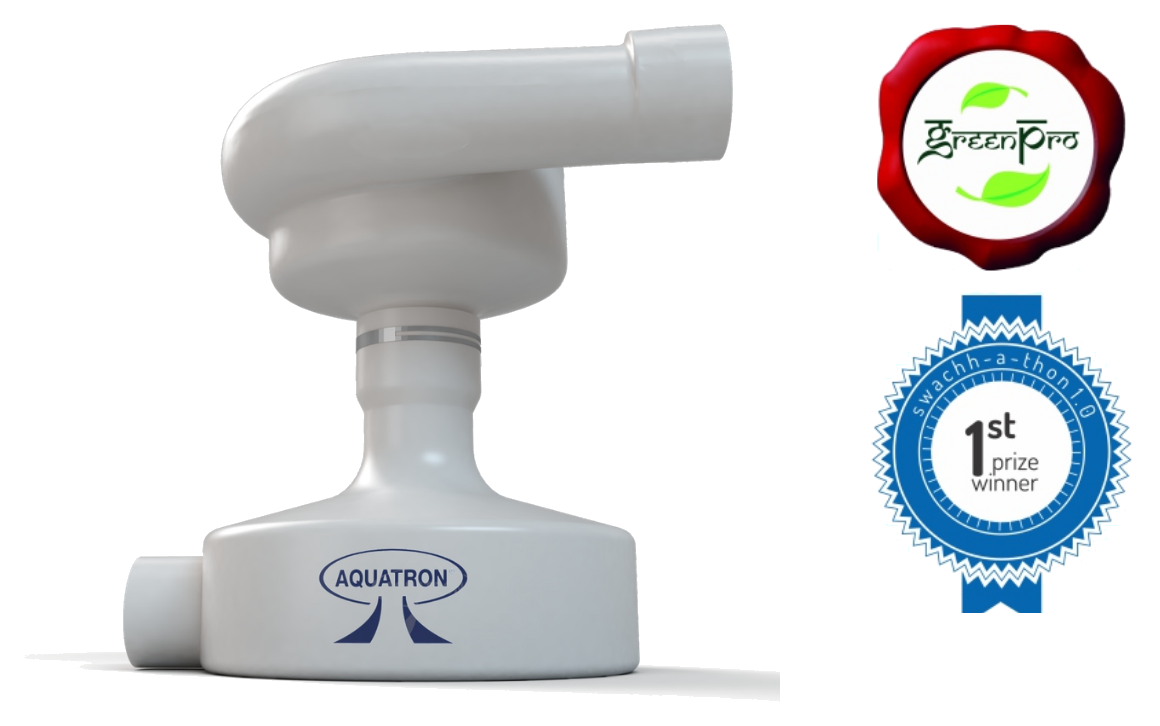
The described Aquatron process separates toilet solids from flushing water and urine, with separated liquids joining grey water for further treatment. An industrial site may also produce process effluent with different characteristics. Do not assume domestic-sewage treatment covers industrial effluent: ask for an assessment of your actual incoming wastewater.
What makes Aquatron® a compact STP?
Solid-liquid separation reduces the need for sludge-handling equipment. The published comparison claims about 60% less built-up space than a conventional STP of the same capacity. The separator’s dimensions are not the footprint of the complete plant; obtain a site layout covering all treatment stages, access and service requirements.
How should I compare Aquatron® with MBBR, SBR and MBR?
Compare capacity and treatment targets on the same basis. Review complete-system footprint, electricity, sludge handling, staffing, maintenance, resilience and capital plus recurring costs. Aquatron separates solids first; conventional alternatives use different biological and separation arrangements. No technology is universally best for every site.
Can the treated water be reused for flushing or gardening?
The described Aquatron system includes filtration and UV disinfection, with output intended for gardening, flushing and chiller make-up. Suitability depends on the required water quality and actual performance. Specify the intended reuse and applicable requirements in the design brief, and request testing rather than relying on appearance alone.
What evidence should I review before placing an order?
Review the full process layout, written design basis, equipment and service scope, and relevant project examples. The Technology page reports BOD falling from 77 to 7.3 mg/l and TSS from 97 to 5.2 mg/l in a 50 KLD retrofit example. These are project-specific results, not a guarantee for every future plant.
Should I choose by purchase price or lifecycle cost?
Compare like-for-like capital cost alongside electricity, maintenance, consumables, staffing and residual handling over a stated period. The published 1 MLD comparison lists indicative CAPEX of ₹5.14 crore for Aquatron, ₹7.61 crore for MBR, ₹8.24 crore for SBR and ₹9.15 crore for MBBR. Use the cost guide as context and request a sized, site-specific quotation.